BayPay Forum BayPay Forum

Menu

  • Home
  • Events
    • Past Events
  • News
    • Payments News
    • Crypto News
    • Fintech News
    • Retail News
    • Fraud News
    • Regulation News
    • Security News
    • Markets News
  • Our Podcasts
    • Our Weekly Podcast
    • Our Daily Podcast
  • Join Us
  • Login
BayPay Forum BayPay Forum
  • Home
  • Events
    • Past Events
  • News
    • Payments News
    • Crypto News
    • Fintech News
    • Retail News
    • Fraud News
    • Regulation News
    • Security News
    • Markets News
  • Our Podcasts
    • Our Weekly Podcast
    • Our Daily Podcast
  • Join Us
  • Login

BMW, Daimler Chrysler launch $1.1B urban mobility investment in ride sharing, parking

Details
Category: Mobile News
22 February 2019

Feb. 22, 2019

BMW and Daimler Chrysler announced plans to invest more than $1.1 billion (1 million euros) into a comprehensive urban mobility joint venture that will include ride hailing, car sharing, digital parking, car charging and multi-modal transportation.

The businesses already have more than 60 million customers worldwide and the new venture will result in the creation of more than 1,000 jobs by the companies, according to a press release.

"Our mobility services have developed a strong customer base and we are not taking the next strategic step," Dieter Zetsche, chairman of Daimler AG and head of Mercedes-Benz cars, said in the press release. "By creating an intelligent network of joint ventures, we will be able to shape current and future urban mobility and draw maximum benefits from the opportunities opened up by digitialization, shared services and the increasing mobility needs of our customers."

The businesses will include the following:

Reach Now, which includes 6.7 million customers worldwide, will give customers the ability to book ride-hailing, car sharing and bike rentals using a mobile app. Daniala Gerd tom Markotten has been named CEO and Johannes Prantl named CFO.

Charge Now, a service from Digital Charging Solutions GmbH, will make public charging stations, with zero emissions, available, with 100,000 locations in 25 countries around the world.

Park Now allows customers to reserve, pay and park in public garages and other sites without using tickets and make cashless payments. More than 30 million customers are using the service in 1,000 cities globally. The Charge Now and Park Now services are headed by Jorg Reimann as CEO and Thomas Menzel as CFO.

Free Now offers taxis, private chauffeurs with rental vehicles and e-scooters, with more than 21 million customers and 250,000 drivers. The service is one of the largest in Europe and Latin America. Marc Berg is CEO and Sebastian Hofelich is CFO.

Topics: In-App Payments, Mobile Apps, Mobile Payments, Region: EMEA

Sponsored Links:

Related Content

Latest Content

Original link

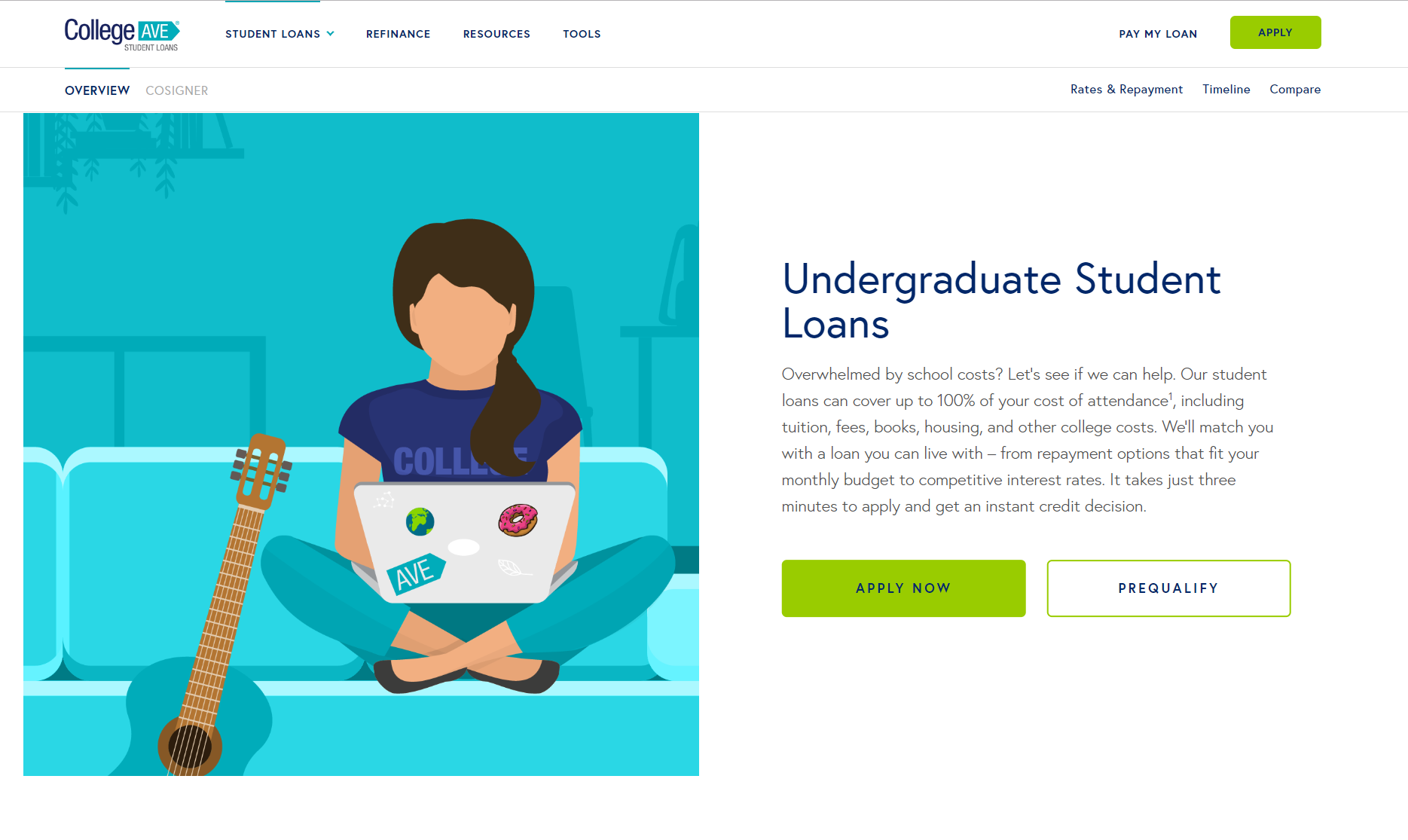
College Ave Student Loans secures $65M credit facility from Guggenheim

Details
Category: Mobile News
22 February 2019

Feb. 22, 2019

College Ave Student Loans, an online student loan provider, has secured a $65 million credit facility from Guggenheim Investments, according to a company release.

The Wilmington, Delaware-based firm said it will use the funding to expand its student loan business, which provides credit decisions to student borrowers through a 3-minute online application.

"The credit facility from Guggenheim Investments enables us to accelerate our growth in private student loan lending and financing," Joe DePaulo, co-founder and CEO of College Avenue, said in the announcement.

The company said it has more than $2 billion in committed student loan purchasing power.

In September 2018, the company completed a securitization of $199 million in student loans, its second securitization. Barclays and Credit Suisse were joint lead underwriters of that transaction.

Topics: Financial News, Mobile Payments

Sponsored Links:

Related Content

Latest Content

Original link

Mizuho Bank to launch J-Coin Pay digital currency platform

Details
Category: Mobile News
22 February 2019

Feb. 22, 2019

Japanese lender Mizuho Bank Ltd., announced plans to launch a new smartphone-based digital currency platform in March called J-Coin Pay, which uses QR codes to buy goods, transfer funds and conduct other transactions on their mobile devices.

The J-Coin Pay system will launch in coordination with 60 other financial institutions and already has commitments from major retail companies, restaurants and other companies to participate, according to a company release.

The smartphone app will also allow customers to make payments, move funds between accounts and conduct fund transfers to other people. The service will also be available to non-Japanese customers visiting the country through partnerships with QR code operators from overseas.

Chinese mobile payment firms UnionPay and Alipay will participate in the international partnerships, as the plan is to initially focus on Asian countries.

The service will launch on iOS and Android starting March 1 and register the Mizuho deposit accounts for the service on the same day. Meanwhile, other participating financial institutions will be able to register starting March 25.

Topics: Mobile Apps, Mobile Banking, Mobile/Digital Wallet, Mobile Payments, Region: APAC, Retail

Companies: UnionPay International, Alipay

Sponsored Links:

Related Content

Latest Content

Original link

Exposing misconceptions in payments fraud

Details
Category: Mobile News
21 February 2019

Feb. 21, 2019

Exposing misconceptions in payments fraud

By: Steve Villegas VP of Partner Management, PPRO Group

In our bustling e-commerce landscape - today's most competitive market - it's hard to believe that many online merchants, particularly those based in the U.S., avoid access to global transactions. When considering U.S. cross border e-commerce is expected to bring in $203 billion by 2021, it should be a no-brainer for online merchants to consider capitalizing on the growth potential that exists beyond American borders.

But even with online transactions being more popular than ever before, payments fraud and security scams run rampant across the online commerce exchange - a paramount concern for merchants apprehensive about expanding to international markets.

Ensuring consumers' data is safe and secure is a top priority for many American-based online merchants. No merchant wants to fall victim to fraud, but how can they be sure transactions are secure?

Many US-based online merchants are only looking to sell domestically by offering traditional payment methods because of the lack of education on global e-commerce and local payment methods. Truth is, international markets open up new global sales possibilities for US-based merchants. When leveraged across international regions, recent PPRO research highlights just how vital local payment methods are.

Let's dive into some of these top misconceptions in payments fraud and security, and reveal why local payments are much safer than some merchants may think.

Myth 1: International transactions are riskier than the domestic ones.

Many US-based online merchants believe that selling cross-border is far riskier than selling domestically. This is evidenced by the fact that only 36 percent of US merchants sell to international consumers. Local payment methods or LPMs are a way for US merchants to expand globally. LPMs are payment methods outside of traditional credit card and brands such as Visa and Mastercard that expedites the needs of various geographies, cultures and domestic economies across the globe. A majority of LPMs have their own security features built in to the payments. These security features, like multifactor authentication, are linked to specific banks that individual consumers belong to.

Fact:  International transactions made with LPMs are just as safe as domestic ones.  

Contrary to popular belief, these local payment methods are favored worldwide and make reaching global consumers easier and safer. For example, in China 49 percent of online transactions occur by e-wallet and only 23 percent by credit card. Offering push payment methods where the customer initiates payment are less risky because the merchant does not need to collect any payment data from the customer. This approach can help to reduce exposure to chargebacks due to fraudulent purchase with stolen cards. The merchant is forced to refund the cardholder, usually after the goods have already been delivered. With push payments, chargebacks are not possible as the transaction is securely authorized by the payer. This not only protects the merchant from financial loss, but also allows for higher conversion rates as merchants do not have to worry rejecting orders to protect themselves from fraudsters.

Myth 2: Frequent online shopping will lead to fraud and data breaches for consumers.

With data breaches being a common threat to consumers,  the access to personal data in online shopping is often a top concern. There are some qualms among US merchants in conducting global e-commerce; are these payments safe, and how do I reach global consumers?  However, with the rise of digital and mobile payments, much of this risk can be averted through safer LPMs like e-wallets that don't give merchants access to a consumer's full bank account.. There is a global smartphone penetration of 53 percent, and this figure rises in major markets like Asia and Western Europe.

Fact: E-commerce is perfectly safe and sound for online shopping, as merchants can offer various local payment methods.

Bank transfers  are becoming increasingly used globally, as 49 percent of e-commerce transactions in Germany are facilitated by this method. Bank transfers are the process of moving money directly from a consumers' bank account to a merchant. This is performed via redirect during checkout either through a real-time or offline transfer process. Offering payments such as these are seamless for global consumers and keep consumer data out of harm's way from savvy hackers.  By using your bank login details and the redirect for the payment method, consumers' personal account information is not directly shared with the merchant, further reducing the risk of the payment, This enhanced consumer experience is vital as 14 percent of consumers will abandon a purchase if they can't find their top payment method. Further proven by the fact that 23 percent will abandon if they don't trust payment security and 15 percent will abandon if they find paying too tricky.

Myth 3: Cashless payments increase a consumer's chance of fraud.

Digital payments are on the rise, yet many merchants believe these cash and cardless payments are unsafe. They prefer to offer traditional card and cash payments, however, this may no longer be the most secure payment option.

Fact: Many cashless payments like e-wallets can actually reduce the chances of fraud.

E-Wallets are registered online money accounts that can be loaded and used for payments. They can also serve as a database to store various payment method information,  eliminating the need to carry physical payment cards or personal data in various locations. E-wallets offer two-step authentication and encryption further securing consumer's personal information. These digital payments are becoming increasingly favored to traditional payments. For example, cash only makes up 6 percent of online transactions in France.

LPMs offer US merchants the tools to expand their business outside of US borders. E-wallets and bank transfers are great ways to reduce the risk of fraud while making payments easier for global consumers. Around the world, consumers want to feel safe when they shop and are looking for a seamless experience. LPMs check both of the boxes as they present the safety and ease that many card-based payments cannot.


Topics: Mobile/Digital Wallet, Online Purchasing

Sponsored Links:

Related Content

Latest Content

Original link

Apple, Goldman Sachs to roll out credit card paired with iPhone

Details
Category: Mobile News
21 February 2019
image  Copyright © 2019 Networld Media Group, LLC. All rights reserved.Visit Other Networld Media Group Sites:Select a siteATM MarketplaceBlockchain Tech NewsDigital Signage TodayFastCasualFood Truck OperatorKiosk MarketplaceMobile Payments TodayPizza MarketplaceQSRwebRetail Customer ExperienceWorld of MoneyBank Customer Experience (BCX) SummitCONNECT Mobile Innovation SummitFast Casual Executive SummitInteractive Customer Experience (ICX) SummitRestaurant Franchising & Innovation Summit
Original link

More Articles …

  1. Zix completes $275M acquisition of cloud-based security firm AppRiver
  2. ATMIA throws support behind bans on cashless businesses
  3. Juniper Research study says banks to save $7.3B by 2023 due to chatbot integration
  4. Bill.com eliminates wire transfer fees for business payments in local currencies
  • 79
  • 80
  • 81
  • 82
  • 83
  • 84
  • 85
  • 86
  • 87
  • 88

Page 84 of 1447